
Introduction
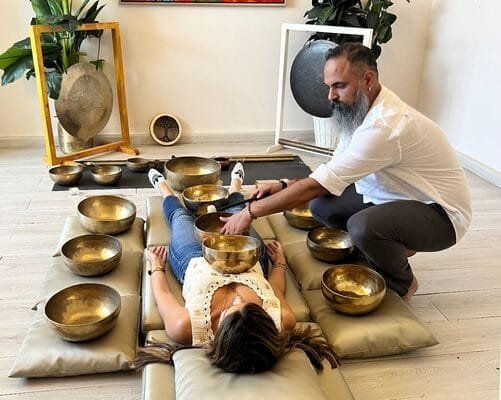
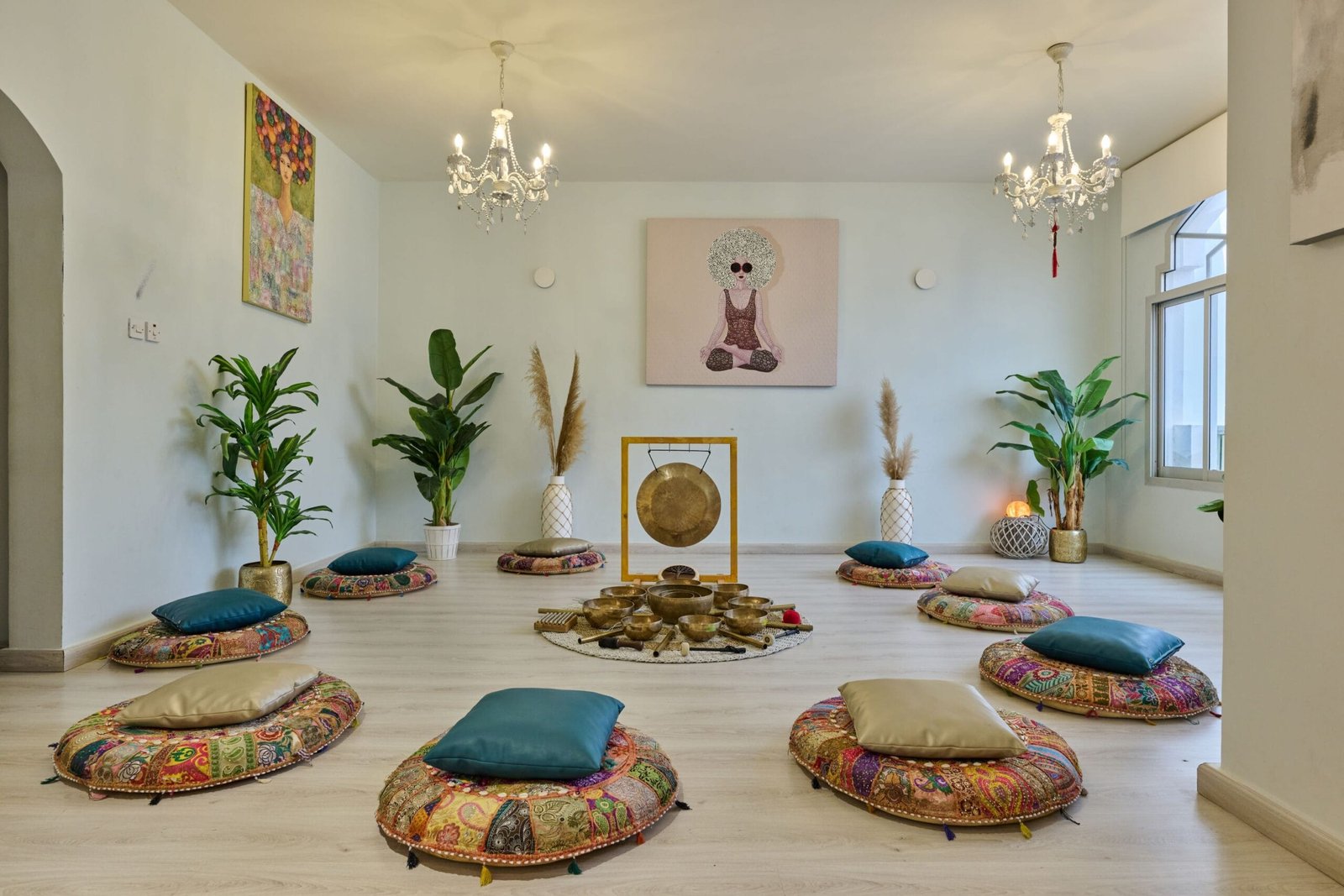
Sound bath therapy is becoming more and more popular nowadays that offers therapeutic benefits to individuals seeking relaxation and stress relief. At the heart of this immersive experience are various musical instruments meticulously chosen for their unique vibrations and tones. These instruments play a pivotal role in creating a sonic environment conducive to healing and self-discovery. In this article, we will explore the diverse array of instruments used in sound baths and how their harmonious sounds can bring balance to the body and mind.Types of Instruments:
- Singing Bowls
- Gongs
- Crystal Bowls
- Tuning Forks
- Drums and Percussion Instruments
Wrapping it up!
The instruments used in sound baths are not merely tools; they are gateways to a profound sensory experience that promotes healing and self-discovery. Whether it’s the ethereal tones of crystal bowls or the powerful resonance of gongs, each instrument contributes uniquely to the therapeutic tapestry of sound baths. Through the harmonious vibrations of these instruments, participants can embark on a transformative journey, finding balance, relaxation, and inner peace amid life’s cacophony. Start your sound bath session with Home of Wellness as we are the best holistic healing center in Dubai.Frequently Asked Questions
Research indicates that the brain can transition from typical or agitated states, characterized by beta waves, to deeply relaxed theta states during sound healing sessions. In addition, Alpha Waves, which oscillate between 8 and 14 Hz, are linked with calm alertness and mental clarity. Low-frequency sounds promote the production of alpha waves, fostering relaxation as well as enhancing creative thinking and cognitive flexibility.
- Singing bowls.
- Handpan, tongue drum.
- Rainstick and Wind chime.
- Therapeutic tuning fork.
- Crystal harp.
Consult your healthcare provider before beginning sound therapy if you have serious medical conditions such as cardiac arrhythmia, epilepsy, or if you have implanted medical devices. Remember, sound therapy should be used as a complementary approach alongside your existing treatment plan.
Sound baths employ acoustic vibrations to evoke a deep relaxation response in the body. Low-frequency tones produced by gongs and singing bowls gradually slow brainwaves from active, alert states into restorative, calm states. Additionally, physical vibrations stimulate the vagus nerve, helping to lower stress hormones.