
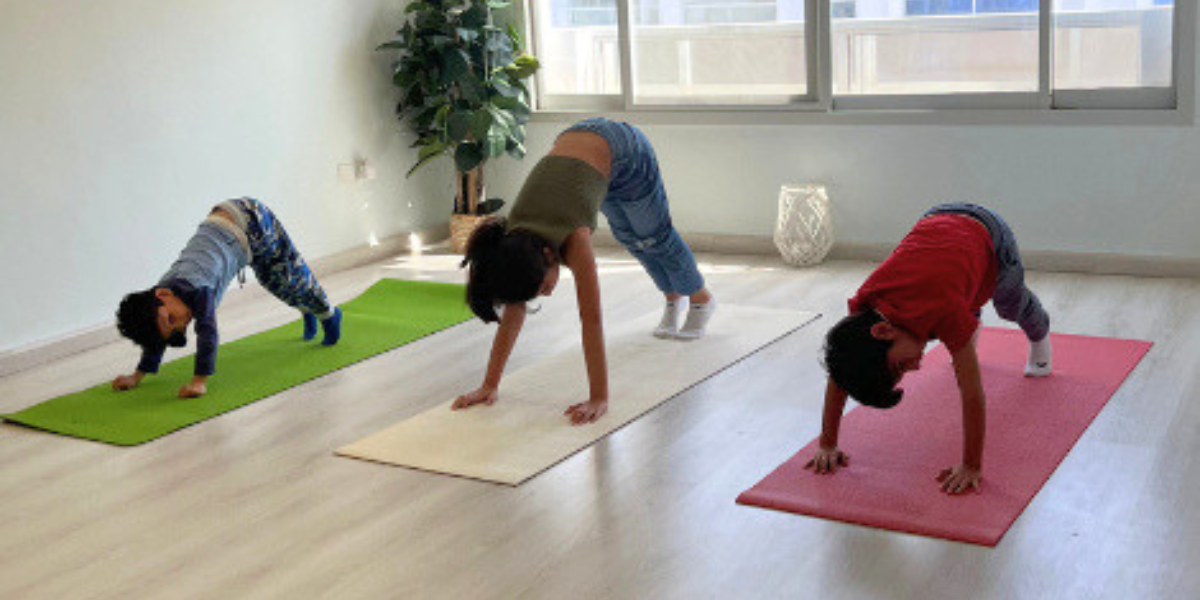
Kids carry just as much emotional weight as adults, sometimes more, since they are still learning how to name and manage what they feel. Kids yoga gives children a physical, playful outlet for that, combining movement, breathing, and imagination into something that feels nothing like a chore.
Is Yoga Safe for Children?
Yes, yoga is safe for children of nearly any age, toddlers included, as long as poses are adjusted to their current ability. As kids grow, elements like coordination drills, breathing exercises, and visualization can be layered in gradually. Keeping the setting safe matters just as much as the poses themselves, whether that means a trusted class led by an experienced kids yoga instructor or a non-slippery space at home with adult supervision.
What Are the Most Fun Types of Yoga for Kids?
Hatha Yoga for Slowing Down
Hatha Yoga pairs simple poses with easy breathing exercises, making it a gentle entry point that helps children slow down and feel safe in their bodies. It is beginner-friendly and places no real physical strain on a child, while also easing emotional overwhelm that can show up as outbursts or impulsiveness.
Mindfulness Yoga for Focus
Pre-teens especially can feel overstimulated, juggling grades, friendships, and a growing sense of who they are. Mindfulness-based yoga can reduce hyperactivity, ease social anxiety, and help kids feel more present and in control of their own thoughts and actions.
Themed Yoga for Engagement
Themed yoga classes, like jungle safaris, outer space missions, and favorite superheroes, turn wellbeing into an adventure. Instructors often weave in storytelling, songs, and games to keep kids genuinely engaged rather than just going through the motions.
What Are 5 Easy Yoga Poses for Kids?
These five poses are a simple starting point for any beginner kids yoga session:
- Butterfly: Sit with knees bent and feet together, holding your feet and fluttering your knees like wings. This opens the hips and stretches the inner thighs.
- Child’s Pose: Kneel down, rest your head on the floor, and stretch your arms forward like a sleepy squirrel curling up. It soothes the mind and stretches the lower body.
- Tree: Stand on one leg with the other foot resting on your inner thigh, hands pressed together at your chest. This pose builds focus and balance.
- Star: Stretch your arms and legs out wide to shine like a star, bending side to side gently. It gives kids a quick boost of energy and confidence.
- Cat-Cow: On all fours, arch your back up, then dip it down, adding a playful meow or moo. This improves spine flexibility and makes kids feel more grounded.
What Does the Research Say About Yoga and Children’s Mental Health?
A meta-analysis examining yoga as an intervention for anxiety in children and adolescents found that yoga may offer real mental health benefits for kids, particularly when a program runs longer than nine weeks rather than being a one-off activity. That lines up with what many instructors see in practice. A single class can be fun, but the real emotional and behavioral benefits tend to show up with consistent, ongoing practice over time.
How Can Parents Support Yoga Practice at Home?
You do not need a studio to reinforce what kids learn in class. A short, playful routine at home, even five minutes before bed, can help a child build the habit without it feeling like homework. Letting your child lead a pose or two themselves tends to boost their confidence, and keeping the tone light matters more than getting every pose technically correct. The goal at this age is comfort with movement and breath, not precision.
Kids Yoga Styles Compared
|
Style |
Best For |
Typical Pace |
|
Hatha |
Calming overwhelm, beginners |
Slow |
|
Mindfulness-based |
Focus, anxiety, social stress |
Moderate |
|
Themed |
Engagement, imagination |
Playful, varied |
Start Your Little One’s Yoga Journey at Home of Wellness
Amalia Paraschiv, a Hypnotherapist and Holistic Healing Practitioner at Home of Wellness, brings a playful philosophy to working with families, shaped partly by Laughter Yoga. Her roster listing names Laughter Yoga specifically, which sits close to kids yoga in spirit even if it is not an identical modality, something worth flagging for anyone looking for a dedicated children’s instructor. “Kids respond to joy faster than they respond to instruction,” she says. “If a session feels like play, they stay in it. If it feels like a lesson, they check out. That is the whole secret.”
Amalia’s path into this work began in 2009 after her son was diagnosed with severe asthma, which led her toward alternative therapies and eventually formal training. She is a USA-certified hypnotherapist and certified Laughter Yoga Leader, with additional training spanning NLP, EFT, and crystal healing.
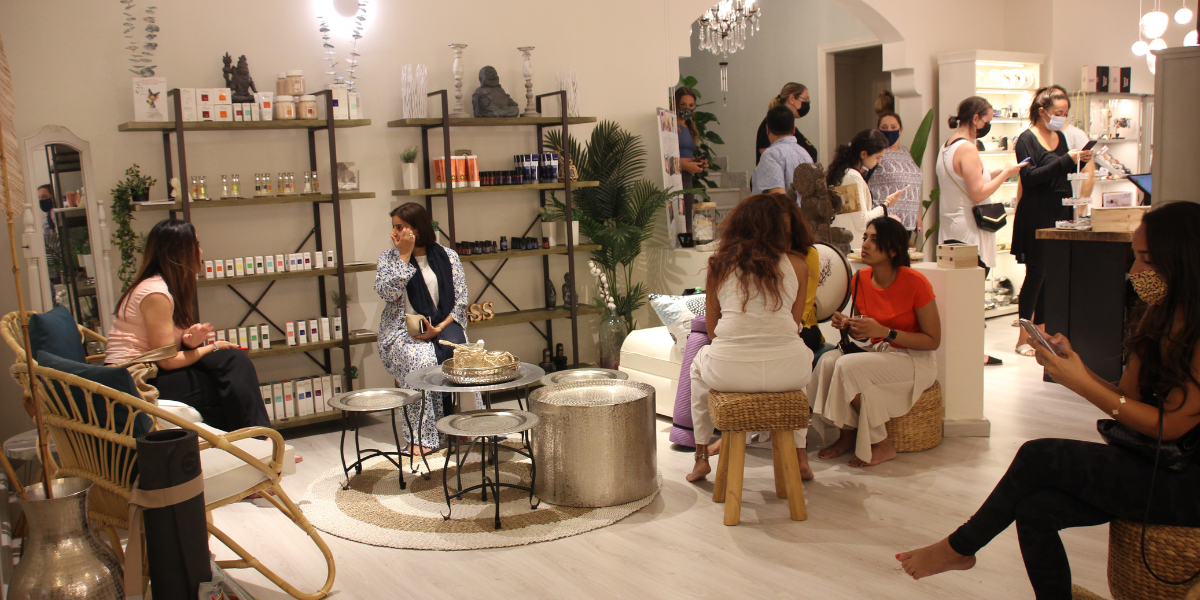
“What a lovely and relaxing place! Even my daughter who went for the kids meditation session said that the moment she walked in, she felt relaxed and calm! She also loved her meditation session. We can’t recommend it enough and we can’t wait to go back and enjoy more of their wide variety of services!” shares Mirla El Masri Heisser, a parent describing her daughter’s experience at the center.
Her review reflects the kind of welcoming, calming first experience many families report when bringing children to Home of Wellness.
“We offer 8+ years of experience in this kind of work,” Amalia adds, “but honestly the best feedback is always a kid asking when they get to come back.”
Frequently Asked Questions
The best yoga for kids keeps practice short, playful, and interactive rather than focused on holding static poses. Approaches that combine storytelling with breathing exercises tend to build focus and emotional regulation most effectively.
Most children can begin once they can follow simple instructions, typically around age 3 or 4, which gives them an early foundation in managing stress and building flexibility.
While not strictly necessary, yoga supports coordination, flexibility, and body awareness, while giving kids a creative, physical outlet for emotions they are still learning to name.
Shorter sessions tend to work best for younger children, often 20 to 30 minutes, while older kids can typically sustain a full 45-minute class.
Many instructors and some research suggest regular practice can support attention and reduce hyperactivity, particularly when sessions continue consistently over several weeks.
Looking for a fun, age-appropriate yoga session for your child? Join us at Home of Wellness for a trusted, safe, and genuinely joyful introduction to yoga.