

Introduction
Pranic healing is a strategic method for energy healing developed by Master Choa Kok Sui. He dedicated his life to teaching people about the many benefits of this therapy. For this purpose, he wrote multiple books and opened an organization as well. As a result of his numerous efforts, Pranic therapy today is strictly based on the method he developed which consisted of three steps to strengthen and heal the energy body. It is a highly recommended therapy due to the holistic nature of its benefits. It is offered by certified healers with years of experience. They use different techniques such as incorporating breathwork exercises and meditation to enhance your healing experience. In this blog, we will cover how combining these methods can take your Pranic healing in Dubai experience to the next level.The Three Steps of Pranic Therapy
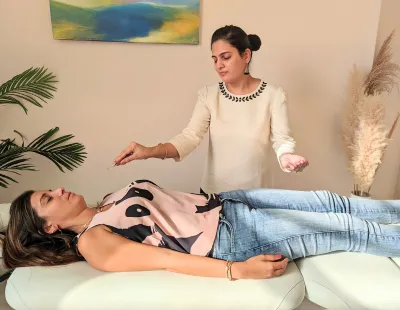
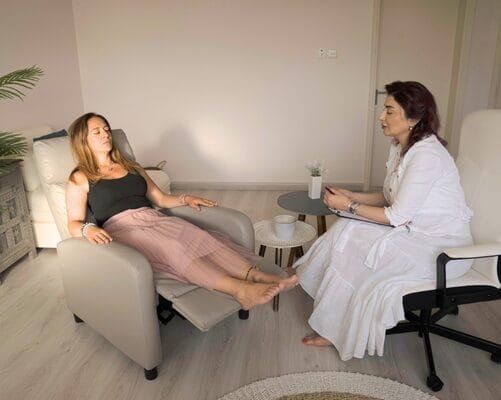
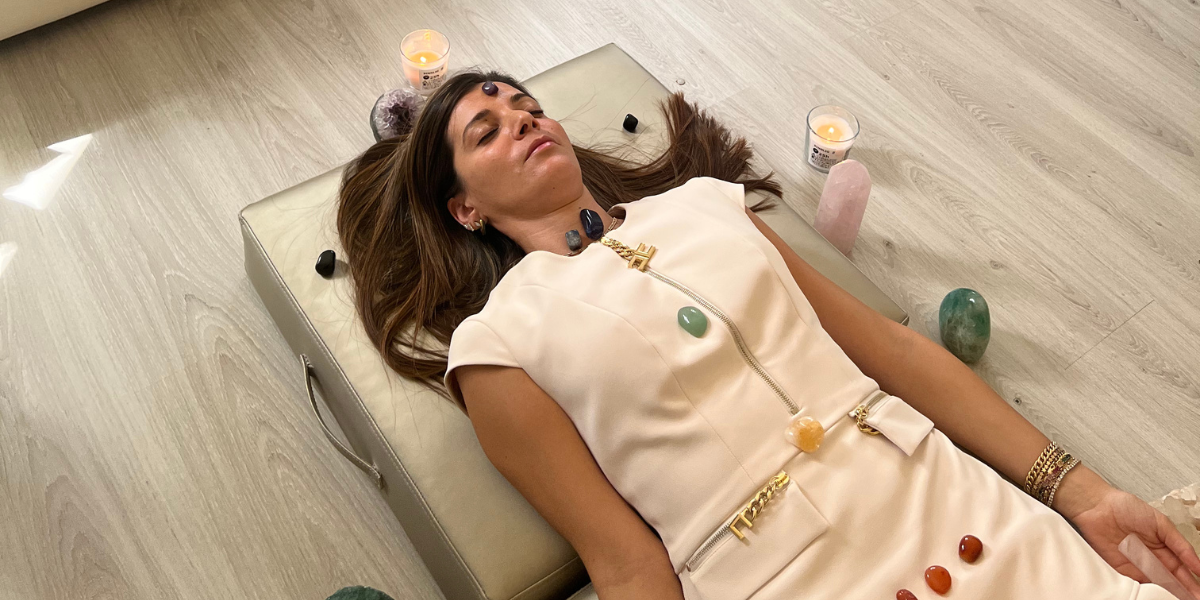
Before delving into further details, let’s briefly explore what happens in a session of Pranic healing. As we already mentioned above, healers strictly follow the method developed by Master Choa Kok Sui. The three steps in his taught method start with a scanning process. The aura is scanned to find any abnormalities, blockages or energy changes.. Once it has been identified, the healer will cleanse out the stagnant energy to resume smooth circulation. The last step in Pranic healing sessions consists of a healer channelizing Prana energy from the universe and transferring it to fill up your energy reservoirs in order to boost your energy. Many therapists also like to conduct an initial consultation in order to understand the patient’s concern. This helps them in tailoring the process according to your needs.Incorporating Breathwork and Meditation in Pranic Healing
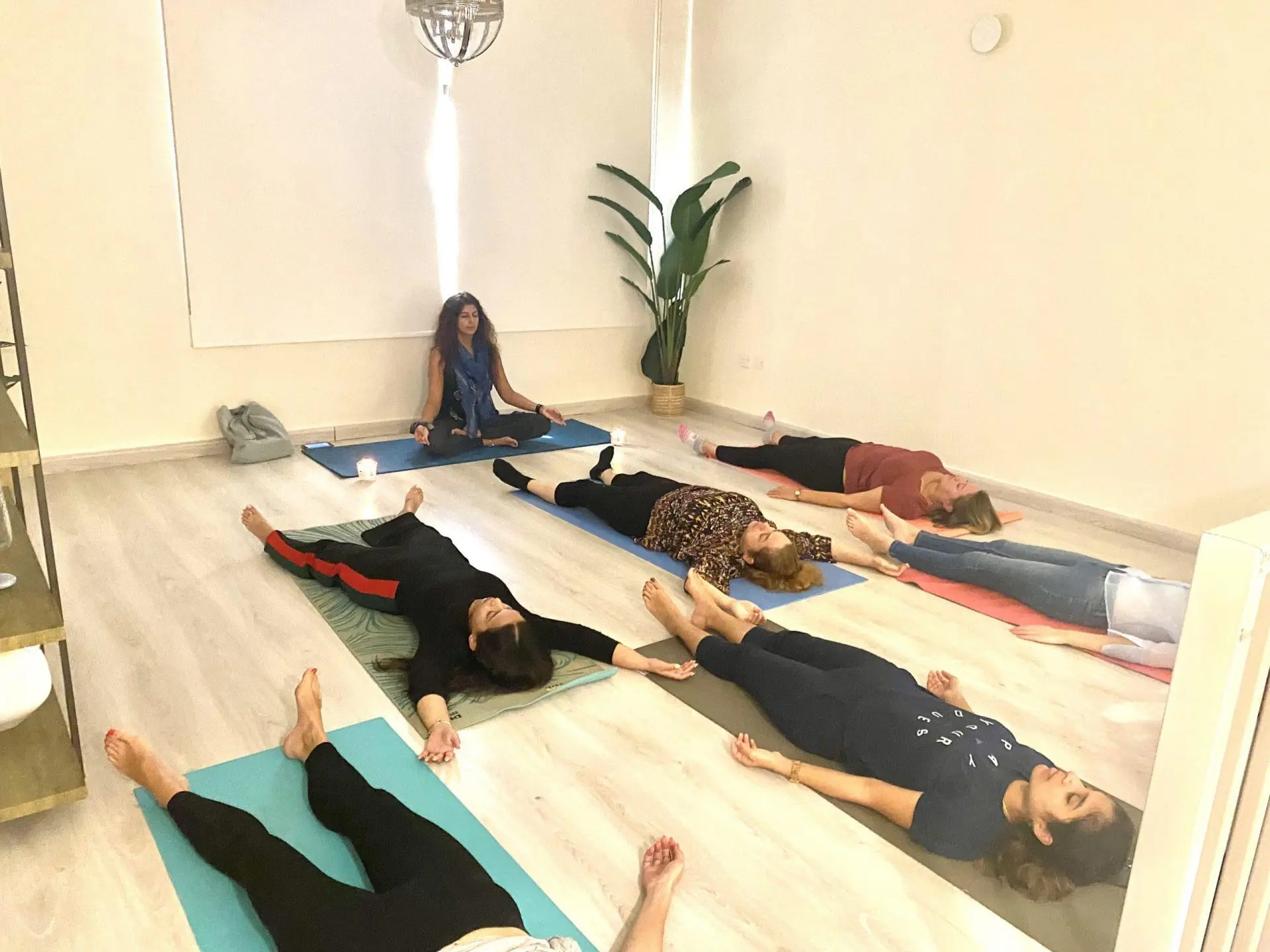
Breathwork as the Carrier of Prana We are surrounded by Prana energy as it comes from various sources in nature including air, ground and sunlight. So, every time you fill up your lungs with fresh air, you are absorbing Prana energy. But, does it help during Pranic therapy? Yes, it absolutely does! Expert healers who offer Pranic healing in Dubai often guide their clients to take deep breaths during a session. For this purpose, various breathwork exercises including pranic, abdominal, belly and box breathing is recommended. This intensifies and regulates the flow of prana throughout your body ensuring that it reaches all the chakras in your energy field. On the other hand, exhaling gets rid of all the pent-up negative and toxic energy. Importance of Meditation for Pranic Healers The healers themselves can greatly benefit from meditation to enhance their ability of absorbing and channeling Prana from the universe. Practitioners who conduct Pranic healing in Dubai often meditate on a regular basis. It promotes emotional regulation, increases their focus and most importantly helps in tapping into their intuition. Having a strong intuition is necessary for a healer to accurately scan the aura and identify abnormalities during pranic therapy. Being sensitive to energy changes can sometimes be overwhelming for the healer. Meditating after a session is a great way to mindfully draw boundaries and separate yourself from the healing process of the client. Meditation to Enhance Prana Absorption Meditation is a very powerful method that is often combined with other holistic therapies. If you opt for Pranic healing in Dubai, the healer might ask you to meditate before a session. This is because regular meditation will reduce emotional overwhelm creating space for healing. It stimulates the chakras which ensures proper absorption of prana energy. Some practitioners suggest that setting an intention to heal by practising mindfulness meditation before the session ensures more beneficial results. Meditating regularly will prepare your body to receive healing in the most effective ways. Tips on Combining the Three Practices- As described above, therapists should incorporate meditation and breathwork to their wellness routines for perfecting their healing skills. They can also try it before and after a session for their own well-being.
- For a client opting for Pranic healing in Dubai, we recommend setting a mindful intention before starting the actual healing process. This intention is based on what they want to achieve from the therapy.
- During the therapy, the healer will guide the client to try various breathwork exercises. Healers also guide the clients to try visualization techniques like imaging prana as a light entering their body.
Wrapping it Up!
There are many methods available today for healing your energy body. Each has its own perks but we do recommend trying Pranic therapy to experience a boost of energy. It can also help in easing the symptoms of both chronic and acute physical diseases. Along with that, it reduces anxiety and stress caused by various psychological disorders. It is an efficient and holistic way to enhance your overall well-being. So, don’t waste your time in searching for Pranic healing near me and book a session with Home of Wellness today. We have the best Pranic therapists in Dubai who are here to guide you forward on your healing journey. Contact us now to learn more details.Frequently Asked Questions
Breath-based meditation techniques often use rhythmic breathing to help practitioners reach a deeply relaxed and meditative mental state. We believe that yogic breathing should be seen not just as a health practice but also as a natural, technological method for enhancing human performance.
The four primary physiological modes of breathing are eupnea, diaphragmatic (belly) breathing, costal (shallow/chest) breathing, and hyperpnea (forced breathing).
- Eupnea (Normal Breathing): Effortless, involuntary breathing at rest. It involves contractions of the diaphragm and the external intercostal muscles. For adults, this typically means a rate of 12 to 20 breaths per minute.
- Diaphragmatic Breathing: Also known as deep or abdominal breathing. It emphasizes using the diaphragm to draw air deep into the lungs. It maximizes oxygen exchange and is frequently used to manage stress and anxiety.
- Costal Breathing: Also called shallow or thoracic breathing. It relies heavily on the contraction of the intercostal muscles, moving the rib cage upward and outward rather than expanding the belly. It generally draws less air into the lungs.
- Hyperpnea (Forced Breathing): Deep, rapid, or labored breathing often required during intense exercise or singing. It requires active muscle contractions for both inhalation and exhalation, using primary and accessory muscles (such as the neck and chest muscles).
Diaphragmatic breathing enhances your lung capacity, fortifies the muscles responsible for respiration, and boosts oxygen levels in your bloodstream.
Yes, many people use Pranic Healing for anxiety. By removing negative energy and calming the aura, patients feel more relaxed and peaceful. However, if anxiety is severe, it is important to combine Pranic Healing with proper medical treatment and counseling.