

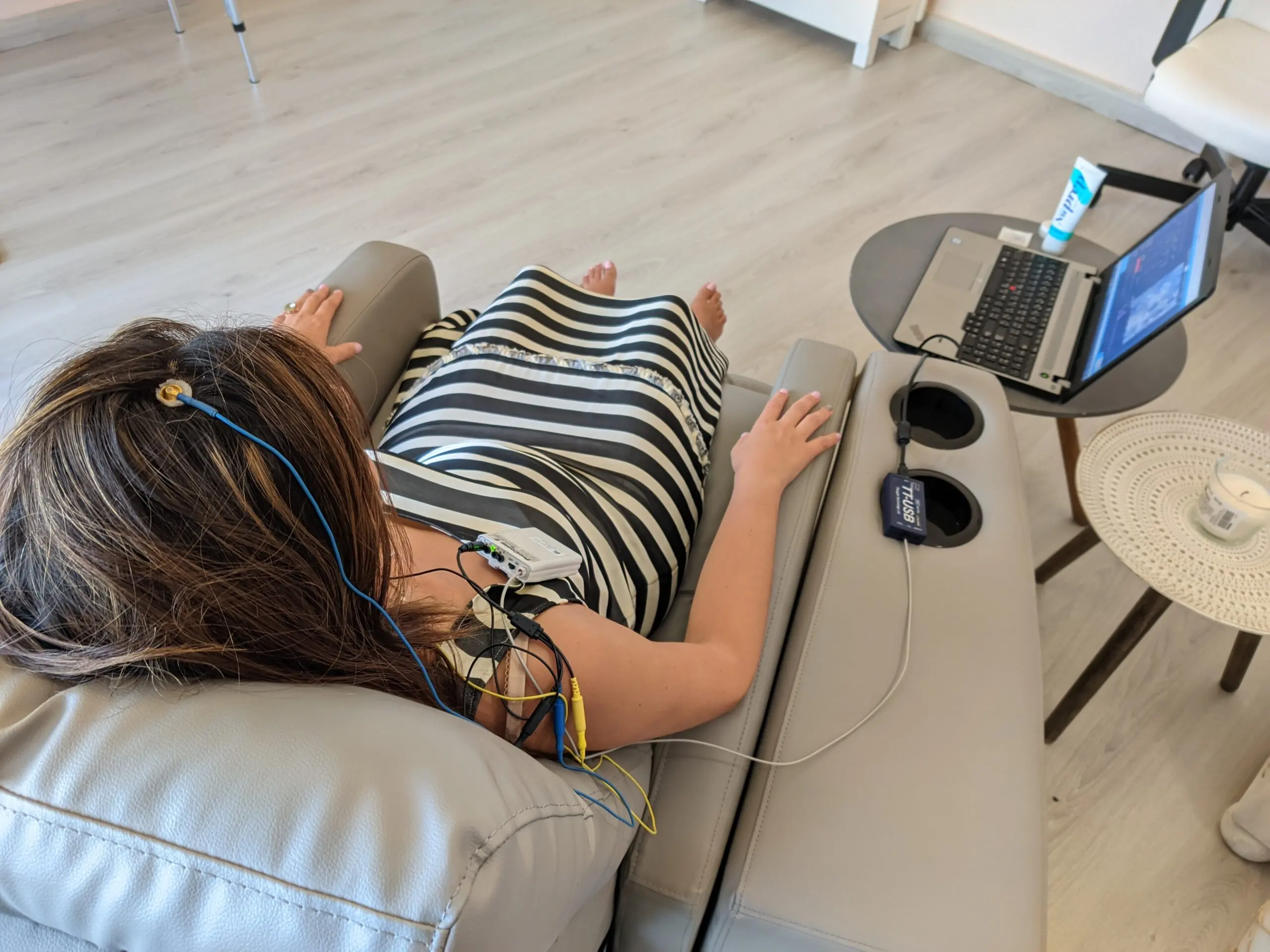
Introduction:
Hypnotherapy, often shrouded in mystery and misconceptions, is gaining recognition as a powerful tool for promoting mental health and well-being. Beyond its portrayal in stage shows and movies, it is based on science, especially in the study of how the brain works, known as neurobiology.. Let’s delve deeper into the neurobiology of hypnotherapy and its profound implications for understanding the mind-body connection.What is Trance State?
The essence of hypnotherapy is creating a trance state, where people become highly open to suggestions and deeply focused. Studies using brain scans have found that during this trance, the brain’s connections and activity patterns change noticeably. These findings suggest that trance states involve a shift in neural processing, facilitating enhanced receptivity to hypnotic suggestions and therapeutic interventions. Furthermore, modern advancements in brain imaging methods like functional magnetic resonance imaging (fMRI) and electroencephalography (EEG) have allowed scientists to better understand what happens in the brain during hypnosis. Research has shown that when someone is hypnotized, there’s a reduction in activity in the default mode network (DMN), which is responsible for thoughts about oneself and wandering thoughts. This decrease in DMN activity corresponds to a state of increased absorption and focused attention, allowing individuals to immerse themselves more fully in hypnotic experiences. By accessing the subconscious through trance states, hypnotherapy aims to rewire neural pathways, replacing maladaptive patterns with healthier alternatives. Through repeated exposure to hypnotic suggestions and imagery, hypnotherapy fosters neuroplastic changes, promoting the consolidation of new neural circuits and behaviors. Hypnotherapy can modulate the activity of neurotransmitters such as dopamine, serotonin, and endorphins, thereby regulating mood, motivation, and emotional well-being.Stress Reduction and Relaxation: The Neuroscience of Calm
Hypnotherapy triggers the activation of the parasympathetic nervous system (PNS), promoting relaxation and reducing physiological arousal. Simultaneously, it dampens the activity of the sympathetic nervous system (SNS), thereby mitigating the stress response and lowering cortisol levels. These neurophysiological changes contribute to a state of deep relaxation, fostering physical and psychological well-being. At the molecular level, hypnosis exerts profound effects on neurotransmitter systems and signaling pathways within the brain. Studies have shown that hypnotic induction modulates the release and activity of neurotransmitters such as gamma-aminobutyric acid (GABA), dopamine, and acetylcholine, which play key roles in regulating arousal, attention, and memory. Additionally, emerging research suggests that hypnotherapy can influence gene expression and epigenetic processes, shaping neural plasticity and adaptive responses to therapeutic interventions. By elucidating the neurochemical basis of hypnosis, researchers are gaining insights into its therapeutic potential for addressing a wide range of mental health conditions, from anxiety and depression to addiction and chronic pain.Benefits of Hypnotherapy: Enhancing Mental Health and Well-Being
By inducing a state of deep relaxation and promoting positive cognitive restructuring, hypnotherapy empowers individuals to manage stressors more effectively and cultivate a sense of inner calm. Moreover, it has shown promise in treating mood disorders such as depression. Through targeted hypnotic interventions, individuals can address underlying negative thought patterns and beliefs, fostering a more optimistic outlook and enhancing emotional resilience. Additionally, hypnotherapy can be instrumental in overcoming phobias and breaking harmful habits. Through accessing the subconscious mind and dealing with the underlying causes of fear and behavioral patterns, hypnotherapy gives people the ability to face their fears and welcome positive transformations. Furthermore, hypnotherapy has been utilized as an adjunctive treatment for chronic pain management. By modulating pain perception and promoting relaxation, hypnotherapy can provide significant relief for individuals suffering from conditions such as fibromyalgia, migraines, and arthritis.Conclusion:
The burgeoning field of neurobiology is shedding new light on the mechanisms underlying hypnotherapy, unraveling the intricate interplay between brain function, consciousness, and behavior. By understanding how hypnotherapy modulates neural activity, neurotransmitter systems, and stress responses, researchers and clinicians are poised to harness its therapeutic potential more effectively. As neuroscientific research continues to advance, hypnotherapy stands poised to emerge as a mainstream therapeutic modality, offering novel insights into the mind-body connection and paving the way for innovative approaches to mental health and well-being. By integrating the principles of neurobiology with the practice of hypnotherapy, we can unlock new possibilities for enhancing human flourishing and promoting holistic health and wellness. Home of Wellness is a renowned healing center that not only provides hypnotherapy Dubai sessions but also other holistic therapies in order to improve your overall health and well-being. If you are interested in our holistic healing sessions then contact us for more details and bookings.Frequently Asked Questions
Visualizing a calm place and using your senses can make your brain feel like you're actually there. Hypnosis helps lower anxiety and pain by activating the part of your nervous system that promotes relaxation. It is also connected to increased activity in brain waves called theta waves.
Hypnosis is a changed state of awareness and relaxation that enhances focus and concentration. Hypnosis, also known as hypnotherapy, typically involves the guidance of a healthcare expert through verbal cues and visualization techniques. While under hypnosis, individuals generally experience a state of tranquility and ease.
- Induction involves starting the process.
- Deepening refers to enhancing your relaxation and concentration.
- Suggestions are the specific changes you aim to implement in your behavior or experience.
- Emergence is the phase where your therapist assists you in gradually coming out of hypnosis.
Hypnosis cannot override your free will, cure physical illnesses or injuries, or retrieve 100% accurate forgotten memories.