

Booking a wellness session often comes with a practical question tucked behind the excitement: whether any of it can be claimed back through insurance. The honest answer is that it depends heavily on the specific treatment and the specific policy, with some practices carrying far broader recognition than others. A study on insurance coverage and complementary medicine use found that reimbursement status meaningfully shapes which treatments people actually pursue, which helps explain why coverage questions come up so often.
Which Wellness Services Are More Likely to Be Covered?
A handful of treatments carry enough clinical recognition that insurers more commonly reimburse them, usually when tied to a medical reason:
- Chiropractic care is often accepted for visits stemming from doctor-recommended treatment for back pain.
- Acupuncture may be reimbursed when treating chronic pain, headaches, or as part of infertility treatment.
- Massage therapy can receive partial or full coverage, particularly within a rehabilitation program.
- Nutritional counseling is sometimes covered when treating obesity alongside conditions like diabetes or high blood pressure.
Which Wellness Services Are Typically Not Covered?
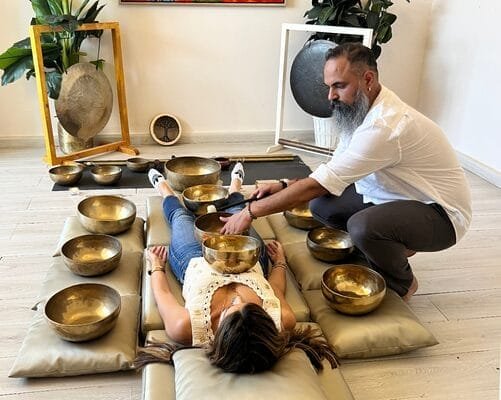
Practices like Reiki, broader energy healing, and general meditation classes generally lack insurance recognition. A relaxation-focused yoga course you attend for general wellbeing does not typically count as an insured treatment, since it is not usually tied to a specific diagnosis or doctor referral.
What Does an Insurer Usually Require for Coverage?
Coverage approval generally requires a few specific elements to line up. A clinical diagnosis needs to support the treatment, a doctor referral or recommendation is often required, and proper medical coding needs to document exactly why the treatment was medically necessary. Without those pieces in place, most insurers will decline a reimbursement request for a wellness-related service.
Are There Other Ways to Offset the Cost?
Employer-Based Plans
Some employer benefit plans offer HSAs or FSAs, tax-advantaged accounts that can be used toward certain health expenses, alongside occasional subsidized fitness memberships.
Workplace Wellness Discounts
A growing number of employers negotiate discounts on holistic therapies as part of broader wellness benefits, even when standard insurance would not cover the service directly.
Mental Health Counseling Add-Ons
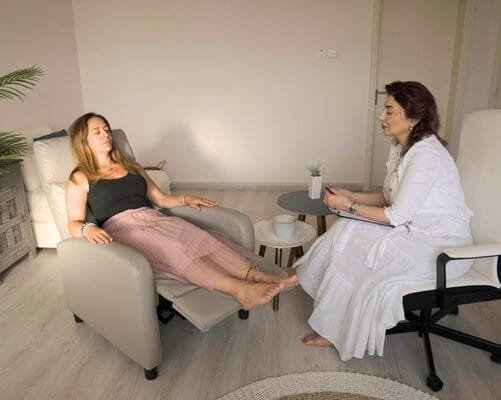
Some plans include a set number of mental health counseling sessions, which occasionally overlaps with coaching or therapeutic wellness services depending on how the plan defines eligible care.
How Should You Actually Check Your Own Coverage?
The most reliable approach is to contact your insurance provider directly and ask specifically about the treatment you are considering, rather than assuming based on what a wellness center’s website claims. Reviewing your plan documents for the exact terms used, and asking whether a doctor referral would change eligibility, gives a far clearer answer than general guidance ever can.
Coverage Varies by Plan and Provider
It is worth repeating plainly: coverage for wellness services varies significantly between plans and providers. What one insurer reimburses without question, another may decline outright, even for the exact same treatment. This guidance offers a general sense of what tends to be more or less likely to be covered, not a guarantee for any individual policy.
Why Do Wellness Practices Get Treated Differently by Insurers?
The gap mostly comes down to how each practice is classified medically. Treatments with decades of clinical research behind them, like chiropractic adjustments or acupuncture for pain, have an established place within conventional medical billing systems. Newer or more holistic practices, even when clients find real value in them, simply have not built up the same body of clinical trial data that insurers typically require before recognizing a treatment as medically necessary. That does not make the practice less valuable; it just means insurers categorize it differently on paper. Research on the integration and reimbursement of complementary medicine has tracked this same pattern across the wider industry, not just at individual wellness centers.
What Can Change This Over Time?
Insurance recognition tends to shift gradually as more research accumulates and as demand grows. Acupuncture, for example, took years of accumulating clinical evidence before earning broader recognition for specific conditions, after once being viewed with real skepticism. Practices like energy healing may eventually see similar shifts as more structured research develops, though there is no fixed timeline for that kind of change in any particular modality.
Insurance Coverage Likelihood by Service
Service | Coverage Likelihood | Usual Requirement |
Chiropractic care | Moderate to high | Doctor-recommended treatment |
Acupuncture | Moderate | Diagnosis of chronic pain or related condition |
Massage therapy | Moderate | Part of a rehabilitation program |
Nutritional counseling | Moderate | Tied to obesity, diabetes, or similar diagnosis |
Reiki or energy healing | Low | Rarely recognized without clinical diagnosis |
General meditation classes | Low | Usually considered elective wellness |
Get Clarity on Your Wellness Options at Home of Wellness
Dina Abdulhadi, founder of Home of Wellness, often fields questions from clients trying to figure out what their coverage will and will not stretch to. “People assume we would know their policy better than their own insurer,” she says. “What we can do is help them understand which of our services tend to carry more clinical recognition, so they know what is worth asking about.” Our roster does not include an insurance specialist, so this guidance reflects Dina’s broader operational experience running the center rather than licensed insurance advice.
Dina holds a Master’s in Marketing from the University of Birmingham and has trained across multiple modalities including Pranic Healing and Hypnotherapy, giving her a practical, center-wide view of how clients actually use and pay for different services.
“I had a really good experience and would definitely leave a positive review. The session was great, and the staff were very nice, kind, and helpful. Naresh was especially excellent, he listened carefully and did a very good job. I highly recommend this place,” shares Bassma Zein Al Deen, a visitor describing the overall quality of staff and service at the center.
Her review reflects the kind of attentive, helpful service clients consistently mention, the same quality that makes it worth asking staff directly about coverage-related questions before booking.
“Always ask before you book, not after,” Dina adds. “A five-minute conversation with your insurer can save a frustrating surprise later.”
Explore Your Wellness Options at Home of Wellness
Ready to explore which services might fit your situation best? Get in touch with the team at Home of Wellness to talk through your options.
Frequently Asked Questions
Generally no. These practices typically lack the clinical recognition insurers require for reimbursement without a specific diagnosis.
Yes, a doctor referral tied to a clinical diagnosis significantly increases the likelihood of a treatment being reimbursed.
They can be, particularly when part of a documented rehabilitation program rather than a standalone relaxation session.
Contact your insurance provider directly, ask about the specific treatment, and confirm which referral or diagnosis documentation is required.
Not exactly. These are often separate perks like HSAs, FSAs, or negotiated discounts, rather than formal insurance reimbursement.
No, coverage varies significantly by provider and plan, so checking your specific policy documents remains essential.